Classification System
Understanding the 9 classes of dangerous goods is essential for safe handling and transportation
| Class | Goods | Example | Sign |
|---|---|---|---|
| Class 1 | Explosives | TNT | 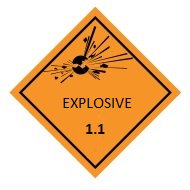 |
| Class 2.1 | Flammable Gases | Acetylene | 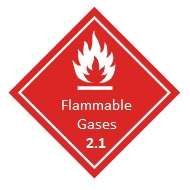 |
| Class 2.2 | Non-Flammable, Non-Toxic Gases | Nitrogen | 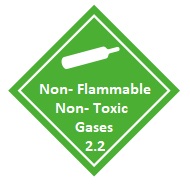 |
| Class 2.3 | Toxic Gases | Chlorine | 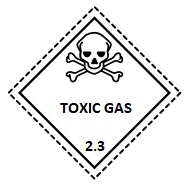 |
| Class 3 | Flammable Liquids | Petrol | 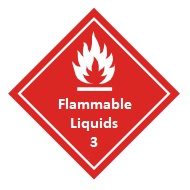 |
| Class 4.1 | Flammable Solids | Sulfur | 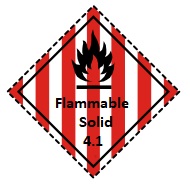 |
| Class 4.2 | Spontaneously Combustible Substances | Zinc Dust | 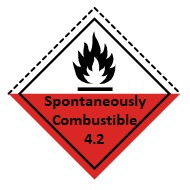 |
| Class 4.3 | Dangerous When Wet | Calcium Carbide | 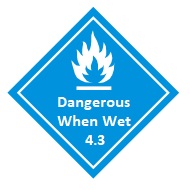 |
| Class 5.1 | Oxidizing Substances | Silver Nitrate | 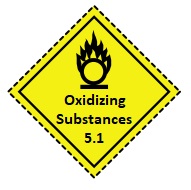 |
| Class 5.2 | Organic Peroxides | Methyl Ethyl Ketone Peroxide | 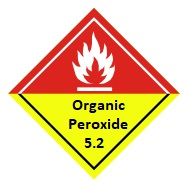 |
| Class 6 | Toxic Substances | Sodium Cyanide | 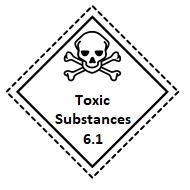 |
| Class 7 | Radioactive Substances | Uranium | 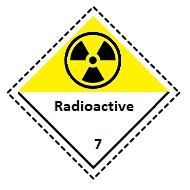 |
| Class 8 | Corrosive Substances | Hydrochloric Acid | 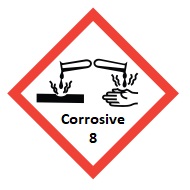 |
| Class 9 | Miscellaneous Dangerous Goods | Asbestos | 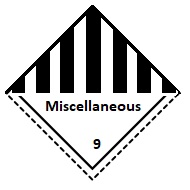 |
Packaging Groups
- Packaging Group I Great Danger
- Packaging Group II Medium Danger
- Packaging Group III Minor Danger